



Rain is romantic in movies. In real life? Not so much. When it’s just you, your coffee, and your commute, a downpour and a puddle are not welcome companions.
It’s not you, it’s the weather (we swear).
Rain, wind, humidity, and sudden temperature changes create the perfect storm—pun intended—for blurry vision. Raindrops running rampant across your lenses is just the start. Wind plasters your eyewear with dust, pollen, dirt, and other mystery particles, making a bad situation worse. Then, when warm and cool air collide—like when you step outside on a damp morning or duck into a coffee shop—moisture condenses on the surface of your lenses, leaving your vision completely clouded. Um, rude.
When bad weather feels like a personal attack, how do you deal? How do you keep glasses dry in the rain?
Here’s how to rise above the forecast and ensure your vision stays clear, even if the skies aren’t.
How to Keep Glasses Dry in the Rain
It’s probably not possible to keep your glasses perfectly dry when the rain starts falling, but there are a few ways to make it better. When dreary weather strikes, try these tips to stay clear.
Start With Clean Lenses
Bad weather has a way of exposing every fingerprint, smudge, and questionable cleaning decision you’ve ever made. When your glasses are already coated with oil, dust, or residue, raindrops are more likely to stick and spread, becoming a blurry mess.
Clean lenses give water, debris, and fog less to cling to. Make sure you use a proper lens cleaner and microfiber cloth—not the hem of your shirt, not a napkin, and definitely not whatever receipt is floating around in your bag. Scrubbing at wet lenses is a good way to scratch them, which only makes the situation worse. You and your lenses deserve better.
Consider a Water-Repellent Lens Coating
When staying dry isn’t an option, shedding water quickly is the next best thing.
A water-repellant coating—also called a hydrophobic coating—helps moisture bead up and roll away instead of sticking and spreading across the surface of your eyewear. It can make all the difference between continued clarity and turning your field of vision into abstract art.
If you regularly spend time in wet weather—for your daily commute, regular exercise, or travel—water-repellant lenses may be a worthy upgrade. Less wiping, less squinting, more seeing? Sign us up.
Wear Frames that Offer a Little Shelter
Believe it or not, your choice of frames can help shield your lenses from an onslaught of bad weather. We don’t even mean the kind of frames with built-in windshield wipers—though we’re here for it if you can find them.
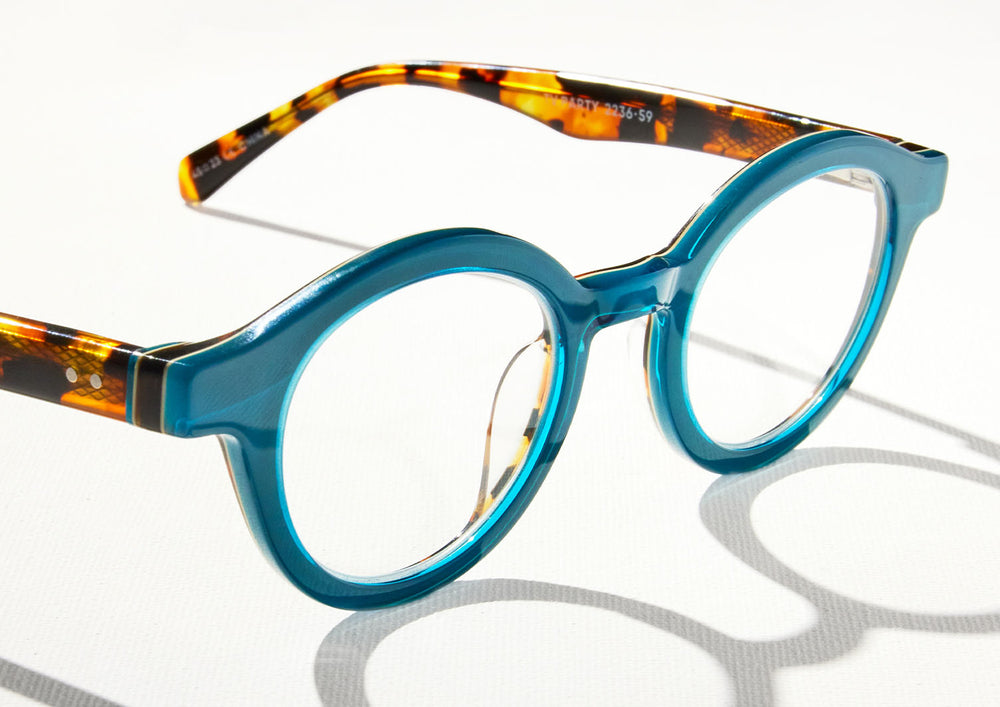
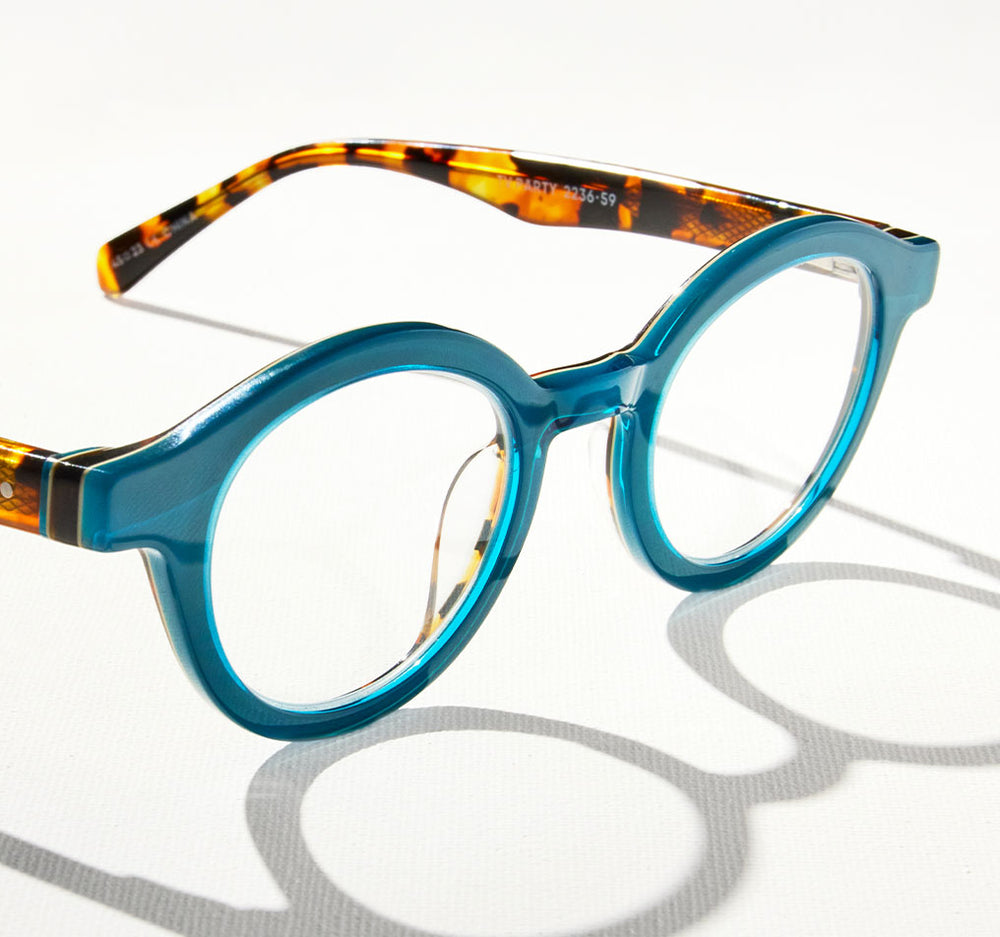
No, we’re talking about ordinary frames. Just with larger lenses, slightly thicker rims, or a bit more bezel around the lenses. These features help to block the weather from reaching your lenses, protecting your eyewear from Mother Nature’s fury.
Use a Hat, Hood, or Umbrella Strategically
They say if it ain’t broke, don’t fix it. Sometimes the best method to fix a problem is the oldest. When the weather is really bad, a baseball cap, hood, or umbrella may just be your best bet to shield your lenses from the storm.
Bonus: these age-old tools can also protect your hair, your outfit, and, consequently, your mood. It’s called working smarter, not wetter.
Keep a Microfiber Cloth Within Reach
When rain and grime band together to block your vision, reach for a microfiber cloth to clear the way. A microfiber cloth makes it easy to blot away moisture without scratching your lenses or spreading grime around, especially if it’s going to be a minute before you can do a proper cleaning.
Be sure to always blot first, wipe second. Aggressively scrubbing wet lenses is a bold choice, and not in a good way.
Keeping Glasses Clean in the Rain and Wind
Rainfall is bad enough, but wind? That’s a whole other beast.
A strong gust can quickly coat your lenses with dust, pollen, debris, and other tiny particles in the air. If your glasses are already wet from the rain, all that gunk is even more likely to stick.
If you get caught outside in the wind and can’t keep your glasses debris-free, clean your lenses as soon as you’re back indoors. Letting moisture and debris sit on your eyewear can lead to streaking, smudging, and buildup that will only make your next outing even blurrier.
How to Prevent Glasses From Fogging Up
Sometimes fog is even worse than the rain—and it doesn’t even require a bad weather day to happen. Step outside, step inside. Pull up your scarf. Sip something hot.
Suddenly, your lenses look like two tiny bathroom mirrors after a long shower, and you might as well not be wearing them at all. Fight the fog with these tips.
Try an Anti-Fog Spray
Anti-fog sprays create an invisible layer that helps moisture spread evenly across your lenses instead of collecting cloudy droplets. Translation: clearer lenses, fewer awkward pauses. Plus, less likelihood of running directly into the other patrons at your favorite lunch stop.
Keep a bottle in your bag, car, desk drawer, or coat pocket so you’re always ready when the weather strikes. Just spray on and wipe off. The fog? It will not be mist.
Improve Airflow Around Your Frames
If your glasses sit close to your face, they may be trapping warm air between your lenses and your skin. Good airflow helps to clear moisture and prevent fog. Restrict it and you’ve created the perfect environment for condensation.
A small frame adjustment—or upgrading to more spacious frames—can improve airflow, letting moisture escape instead of settling onto your lenses.
Bonus: better-fitting glasses usually means less slipping, too—freeing your hands for your coffee, your keys, and your umbrella.
Give Your Lenses Time to Acclimate
Temperature changes are one of the fastest ways to fog up your lenses. Moving from a warm car into cold rain or from chilly streets into a heated cafe? Instant condensation.
Give your glasses a few seconds to adjust before wiping them down. Sometimes your lenses just need a moment to catch up to the transition.
We’ve all been there, right?
Clear Vision, Even During Cloudy Skies
Rain happens. Wind happens. Fog, drizzle, humidity, and weather forecast apps that completely miss the plot—it all happens.
But blurry vision doesn’t have to.
Keeping glasses clean in the rain starts with clean lenses, the right coatings, and a well-fitting frame. With a little preparation, your glasses can handle whatever the skies are doing—and look darn good doing it.
If it’s time to upgrade your frames for better weather protection, check out the full collection of crystal frames available from eyebobs.