

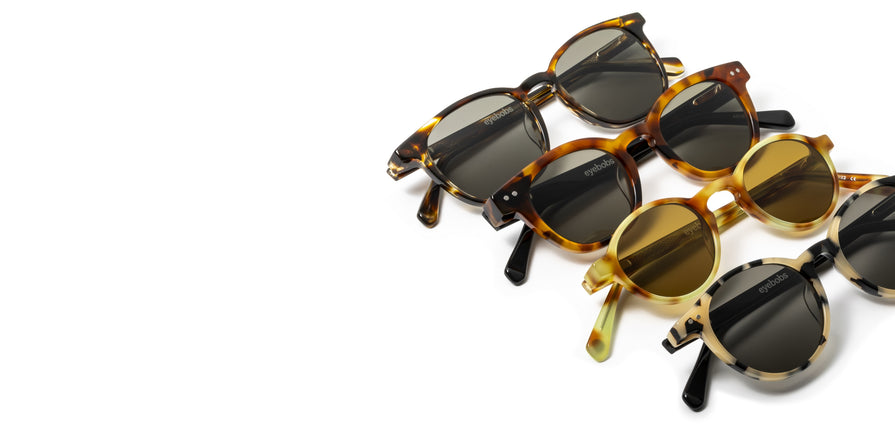

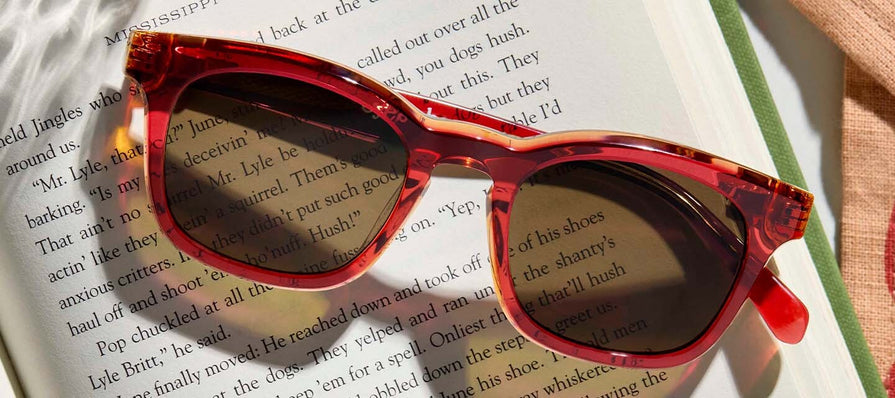

There's a strange blind spot in the reading glasses world.
Aviators.
Historically reserved for sunglasses donned by professional pilots and hunky actors in ‘70’s cop shows, aviator frames have been spreading their wings, and we’re now seeing them sans-sunny lenses on everyone from schoolteachers to CEOs, but they are almost impossible to find in reading strengths. You can get them as sunglasses. You can get them as prescription frames. But if you need, say, a +1.75 to read your paperback book at the airport? Good luck.
What Makes Aviators Hard to Do in Readers
The aviator’s defining teardrop shape (wider at the top and narrowing at the bottom) is also what makes it tricky to produce as a reader. Reading lenses are ground to a uniform power across the lens. In a strongly curved or large lens, minor optical inconsistencies become noticeable. The geometry that makes an aviator look effortless is the same geometry that raises the technical bar on the optics inside it. This is why most reader brands don't bother.
But if your frames are designed in-house with technical and artistic integrity, you understand the assignment and enter into it with enthusiasm.
That's the eyebobs way. It's also why we have two aviator options you’ll love.
eyebobs Aviators
Flight Risk - The Everyday Aviator
Starting at $98 | Frame Size: Wide | Acetate
Flight Risk is the sneaky one. The product description says it best: "The ones you don't see coming." It looks like a classic aviator at a glance, but the acetate construction — Italian-made, in 4 striking colorways - Caramel Tortoise Fade, Deep Sea Blue, Golden Olive Crystal, or Ash to Clear Crystal - that hits different depending on the light, gives it something metal frames can't: warmth. Presence. A little attitude. And a whole lot of personality.
The specs matter, too. Wide fit at 140mm, 54.5mm lens width, 43.8mm lens height. Flight Risk is available in reader strengths from +0.00 to +4.00, and as blue light readers, prescription reading glasses, or polarized sunglass readers if you want to be productive at the pool. (You should want this.)
Best for: The person who wears their readers more than they expected and decided they might as well look intentional about it.
Wingman — The Limited-Edition Aviator
Starting at $138 | Frame Size: Average | Limited Edition
Wingman is what happens when you give the aviator silhouette a little more swagger. Three colorways — each one a statement — and a limited run, which is to say: if you see it in your color, don't wait.
The black colorway is the one people will stop you in airports over. The lime green is for people who have decided that life is too short for neutrals. The tortoise is the tactful option, which is its own kind of confidence. All three are available in reader, prescription, blue light, and sunglass versions — meaning whatever your vision needs, The Wingman has you covered.
Wingman is named well. It's the frame that makes your whole look work, quietly, without asking for credit.
Best for: The person who already has a "sensible" pair and wants the other one.
What to Look for in Aviator Reading Glasses
Quick PSA: If you're shopping beyond eyebobs (respect) here's what actually matters:
-
Lens size and geometry. Aviator lenses tend to run larger than standard frames. Larger lenses mean more lens material, which means any imperfection in the grind shows up more. Look for brands that specify optical-grade lenses and lens tolerances — vague assurances of "quality" aren't enough.
-
Frame material. Metal aviators look sleek but can feel cold and industrial as readers. Acetate gives you more color range, more tactile warmth, and better durability at the hinge over time. If you're wearing these daily — and you will be — acetate ages better.
-
Fit. Aviators run wide. If you have a narrow face, check the frame width measurement (not just "one size fits most"). eyebobs lists frame width, lens width, lens height, bridge width, and temple length on every product page. Use them.
-
Availability in your actual strength. A frame that only goes up to +2.00 is useless to someone who needs +2.75. eyebobs offers readers in every strength from +0.00 to +4.00. Not all brands do.
-
Sunglasses or clear? Aviators came from the sun side of eyewear. If you're getting reader aviators, seriously consider the sunglass reader version — polarized lenses that also correct your vision, so you don't need two pairs for a day outdoors. Both Flight Risk and Wingman are available in sunglass reader versions. And both also come in prescription and blue light lens options if you need more than a standard reader.
The Face Shape Question
Everyone worries about this more than they should, but here's the honest answer: aviators are one of the more forgiving frame shapes.
The teardrop lens helps balance a longer face. The width of most aviator frames adds presence to a narrower face. The bridge detail draws attention to the eyes rather than the nose. If you've been told you "can't" wear aviators, try one on before you believe it.
The one real consideration: very round faces sometimes do better with a slightly more structured top bar. Both Flight Risk and The Wingman have enough frame architecture to provide that structure. Try the virtual try-on and see for yourself.
Frequently Asked Questions
-
Can aviator frames be made as reading glasses?
Yes, though not every brand offers them. Aviator lenses have a teardrop shape with more lens area than most frames, which requires higher optical precision in the reading lens. eyebobs offers two aviator frames — Flight Risk and Wingman — with reading lenses available in strengths from +0.00 to +4.00.
-
Are aviator reading glasses good for people who need a strong prescription?
The larger lens area of an aviator can actually be a practical advantage at higher strengths, since there's more usable reading zone in the lower lens. eyebobs offers reader strengths up to +4.00 in both Flight Risk and Wingman.
-
What's the difference between aviator reading glasses and aviator sunglass readers?
Aviator reading glasses have clear lenses and are designed for indoor or close-up reading use. Aviator sunglass readers have tinted or polarized lenses with built-in reader magnification, so you can read outside without switching glasses. eyebobs offers sunglass versions of both Flight Risk and Wingman.
-
What face shapes do aviators work best with?
Aviators are one of the more versatile frame shapes. They work particularly well on oval, oblong, and heart-shaped faces. The wide lens adds balance to narrower faces. If you have a very round face, look for aviator frames with a defined brow bar or bridge detail, which adds structure.
-
Are acetate aviators better than metal aviators for reading glasses?
For everyday readers, acetate has practical advantages: it's warmer to wear, available in more color options, and tends to hold up better at the hinges over time. Metal aviators are classic and sleek but can feel cold and are more prone to bending. Both Flight Risk and Wingman are acetate frames — which is part of why they come in colorways worth actually choosing between.
The Bottom Line
Aviator reading glasses are rare because most brands don't bother. The geometry is harder. The tolerances are tighter. It's easier to make another rectangle.
eyebobs bothered. Flight Risk has been turning heads since it launched. Wingman is coming in hot, limited, and in three colors that each have a personality. Pick your pair before Wingman disappears — that's what limited edition means.